








|
|
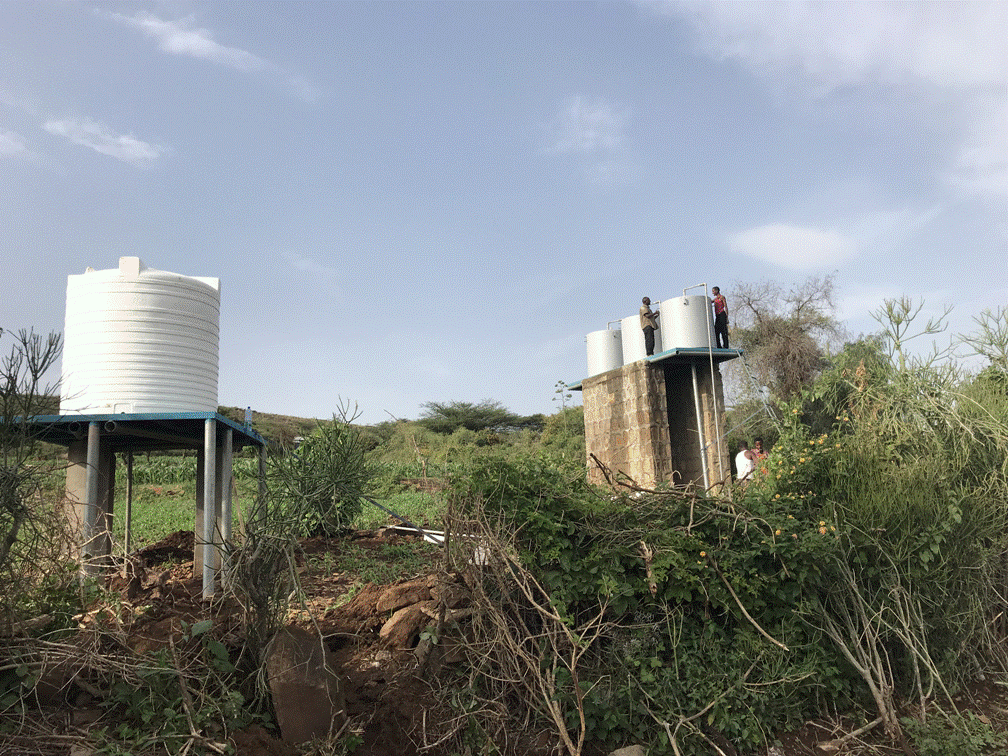
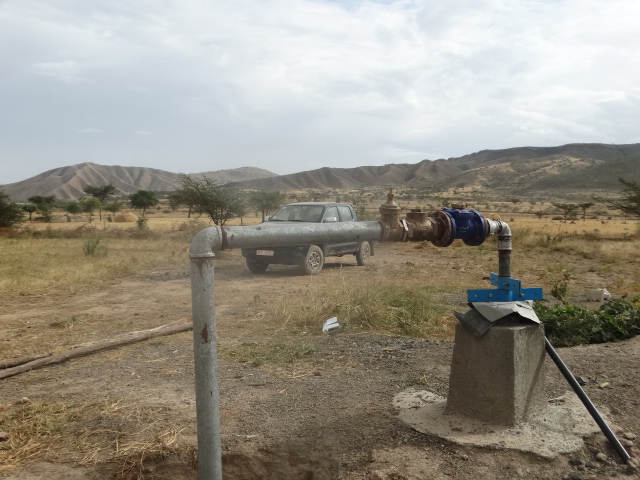
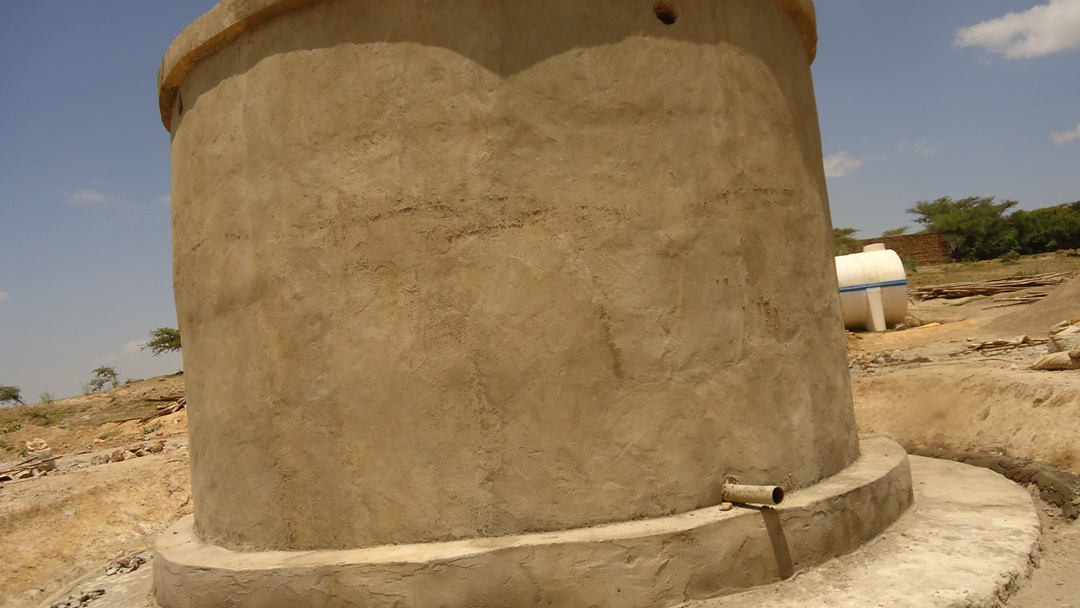
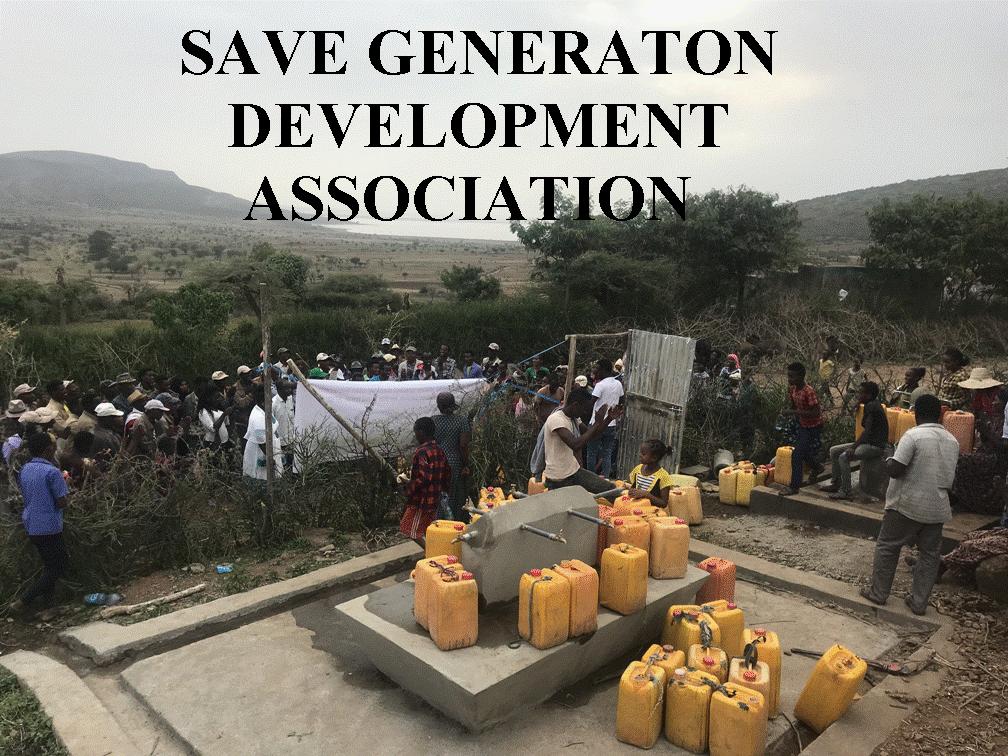
Adama Woreda is found in surrounding Adama city Administration and the distance of 100 Km from the capital city Addis Ababa. The rural population of Adama woreda counts 167,726 where 86311 Male and 81415 Female from the data of East shoa zone Finance and Economic Development from 2014/15 and the Bate Kello and bate Bora kebele population counts 4349, where the five Kebeles primarily the project beneficiaries of Bate Bora, Bate Qallo, Qalbo Maaram, Gadamsa kurfa and Dibi Qallo is 26,780 where 14,380 is female. The rural inhabitants of Adama woreda, Jille Oromo tribe livelihood depends on mixed agriculture of cereal-dominated agriculture constitutes the principal livelihood of the people however inadequate rain fed is a serious problem for partial or complete crop failure. Livestock raising is common in this kebeles, almost every household has livestock. But income and other benefits from livestock are insignificant due to lack of feed and poor health from controllable diseases. Malaria and Waterborne diseases are the main cause of morbidity and mortality in those Kebeles.
Outbreaks of cholera and other water-related diseases are frequent occurrences, affecting the health and well-being of thousands of individuals where the highest burdens of disease disproportionately impact children less than five years of age as their body adaptation is not much enough. As the woreda health office data reveals more than 61% of annual death caused by waterborne diseases where more than 38% counts children under five, Because these five kebeles of Adama woreda use a water source of unprotected pond, Koka lake where on the up-stream the Koka leather factory release the residue to the lake without sewage treatment plant, two horticulture private company to the other side which release chemicals from flowers production, animal and human death in the lake, the community wash clothes, take a shower and animals drink and contaminate where below women fetch a contaminated water for HH consumption. Annually the community expends most of their income for health problems and affecting their livelihood. It is evident that these kebeles are the most impoverished kebeles in the woreda thus household poverty level increase unexpectedly thus loosing their life and property on the waterborne diseases. Bate kallo and Bate Bora consume the average recommended water per day (77.1%) and Bora (80.0%). Majority of the households (70.7%) use other unsafe sources such as unprotected wells, springs, rivers and ponds for drinking. Distance is another constraining factor. In two of the Kebeles, Bate Kallo and Bate bora almost above half of the households or 56% and 52% Bora and Kallo respectively do travel more than an hour to fetch water. In addition to access to relatively clean and safe water, the practice of washing water containers highly contributes to safety of drinking water. In this regard, 3%, 64% and 33% of the households Bate Bora reported to wash containers daily, weekly and less frequently, respectively and 2%, 72% and 26% of the households Bate Kallo respectively.
| |||||
|
Web Designed by Derege Lemma |
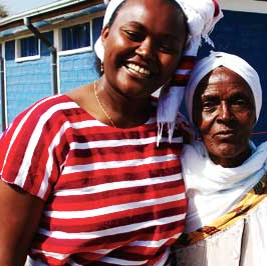 Mrs.
Bekelech Demessie Rorisa